
Protecting whenua while building capability at Rimutauteka 1C
Work to protect and enhance whenua Māori at Rimutauteka 1C has delivered both environmental and capability outcomes, through a collaborative approach grounded in partnership, learning and shared responsibility.
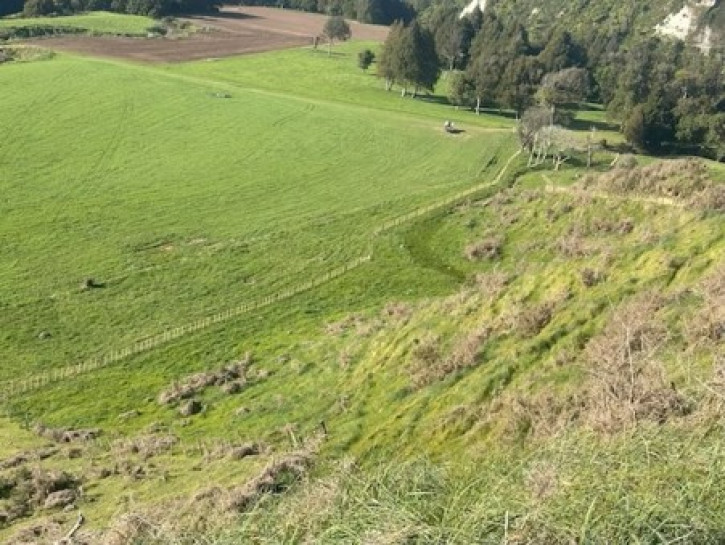
The project was initiated following an approach from neighbouring landowner Todd Energy, who worked with owners and hapū to support a biodiversity and protection initiative. An agreement was reached to fund stock exclusion fencing around a wāhi tapu site, alongside surrounding native bush and waterways, with a long-term commitment to pest and weed control over the next 10 years.
At the heart of the project was a commitment to not only protect the whenua, but to build capability within the whānau connected to it. Rangatahi were invited to take part in a fencing skills workshop, combining hands-on learning with real project delivery. Over the course of the project, seven rangatahi participated, learning practical fencing techniques including the construction of eight-wire, five-batten stock exclusion fencing.
The involvement of experienced fencer Wairata Madden, from Madden Fencing, was a key part of this kaupapa. Through practical mentoring and guidance, rangatahi were able to develop new skills and apply them directly within the project.
“The skills I worked on with the rangatahi was predominantly ‘wire work’ this being tying knots, stapling wires onto posts battening and installing stays. Focus was on completing these tasks to an industry standard and explaining the methodology behind it. For example, criss-crossing staples on the batten to reduce any movement of the battens along the wire. Crisp clean edges into mortices and top cuts of stays at 90 degrees as to not allow water to get into the mortise causing rot inside the strainer or angle,” says Wairata.
“Creating opportunities for rangatahi to gain practical skills and experience on their own whenua is incredibly important,” says Vance Pereka, Trust Advisor at Te Tumu Paeroa. “It helps strengthen their connection to the land, builds confidence and capability, and creates pathways for future employment and leadership. Providing hands-on experience alongside Wairata within this project ensures that knowledge, skills, and a sense of responsibility for the whenua are passed on to the next generation.
The project achieved all of its key deliverables, including the installation of over 600 metres of new fencing, repairs to existing boundary fencing, and reinforcement of existing fence lines. These improvements ensure that waterways, native bush and wāhi tapu areas are protected from livestock, supporting regeneration and the long-term health of the whenua.
Owners and hapū were actively engaged throughout the project, participating in hui and contributing to decision-making alongside Te Tumu Paeroa, Todd Energy and project partners. For Vance the project represents much more than the completion of a fencing programme.
“The project represents an investment in the long-term health and sustainability of the whenua. We all have a responsibility to protect and enhance the cultural and environmental values of this whenua, and this biodiversity plan has helped restore and strengthen an area of significance while creating a positive legacy for whānau and descendants,” said Vance.
Echoing this sentiment, Todd Energy Project Lead, Nik Pyselman, said the project would not have succeeded without a shared commitment from all involved, “without partnership nothing could be achieved to protect and enhance this ngahere. One of the key standouts was the cultural and ecological significance of the area being protected, along with the shared vision for its future - from iwi and hapū right through to Te Tumu Paeroa, the lessee and the landowners,” he said.
Beyond the immediate environmental benefits, the project also supports the future use and potential of the whenua. Improved fencing and protection of waterways enables more sustainable land use, including opportunities for dairy support activities, contributing to increased returns for owners over time.
Nik says it’s important to “share project successes within the wider community to inspire and educate others.” From here, he hopes to “continue to collaborate to implement further enhancements including pest flora and fauna control, infill planting, and to gain knowledge of the areas unique biodiversity, so we can quantify improvements over time,” he says.
Vance acknowledged the significant contribution of Chris Verbeet, Rural Specialist, whose knowledge and experience in the rural sector and his work was central to the implementation of the rangatahi initiative, and James Beck, Rural Advisor, who supported the successful delivery of the biodiversity agreement.
Vance also highlighted Todd Energy’s role in recognising the ongoing connection our people have to the land surrounding its wellsite operations. “This project is an example of how partners can work together to achieve outcomes that respect both the land and the people connected to it. At some point, operational activities will cease, but the whenua and its people will always remain,” he said.
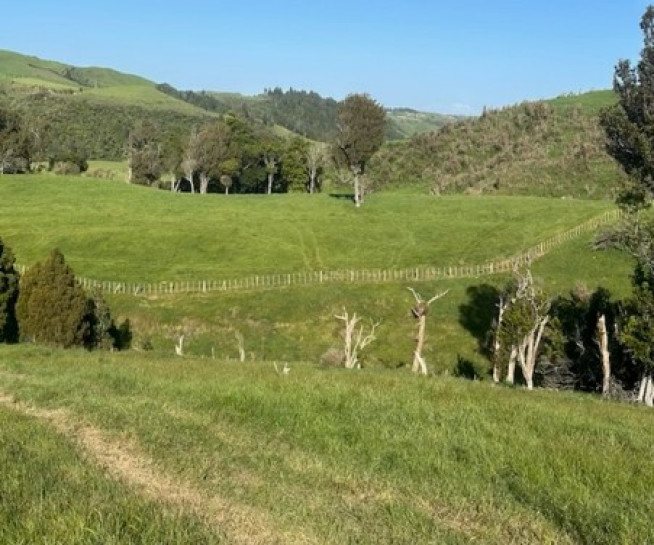
Installing and repairing fencing on Rimutauteka 1C.
Header image: (I-r) Guy (rangatahi), Wairata Madden (Madden Fencing), Jessie (rangatahi), Chris Verbeet (Rural Specialist), and Nik Pyselman (Todd Energy).